Craft · Sparkling
Méthode Champenoise, Explained by a Champagne Family
The bubbles in a good sparkling wine are not injected. They grow inside the bottle, from a second fermentation, over years of waiting. That slow, bottle-by-bottle way of working has a name — the méthode champenoise — and it's how Sébastien's family has made sparkling wine for six generations. Here's what actually happens.
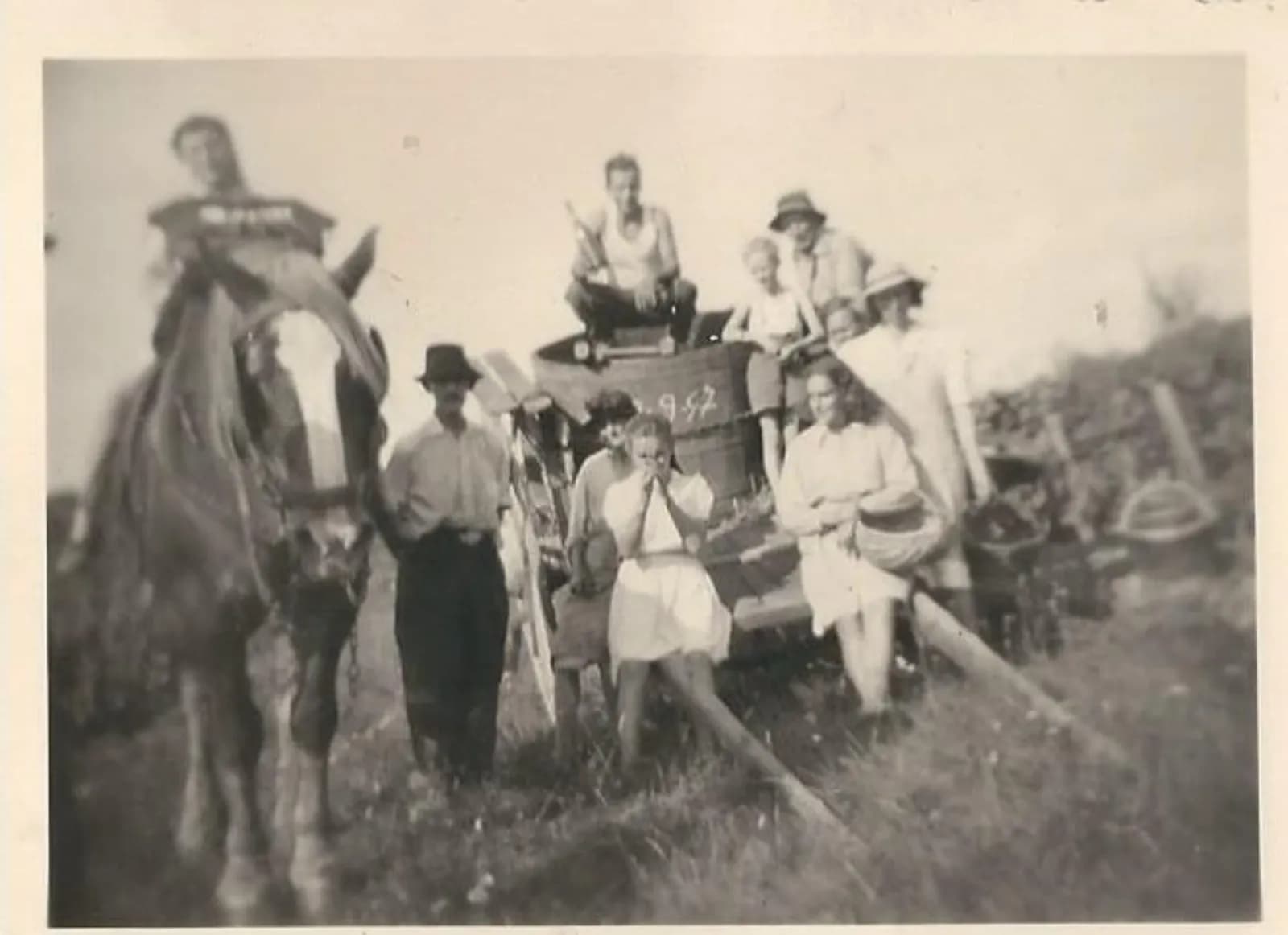
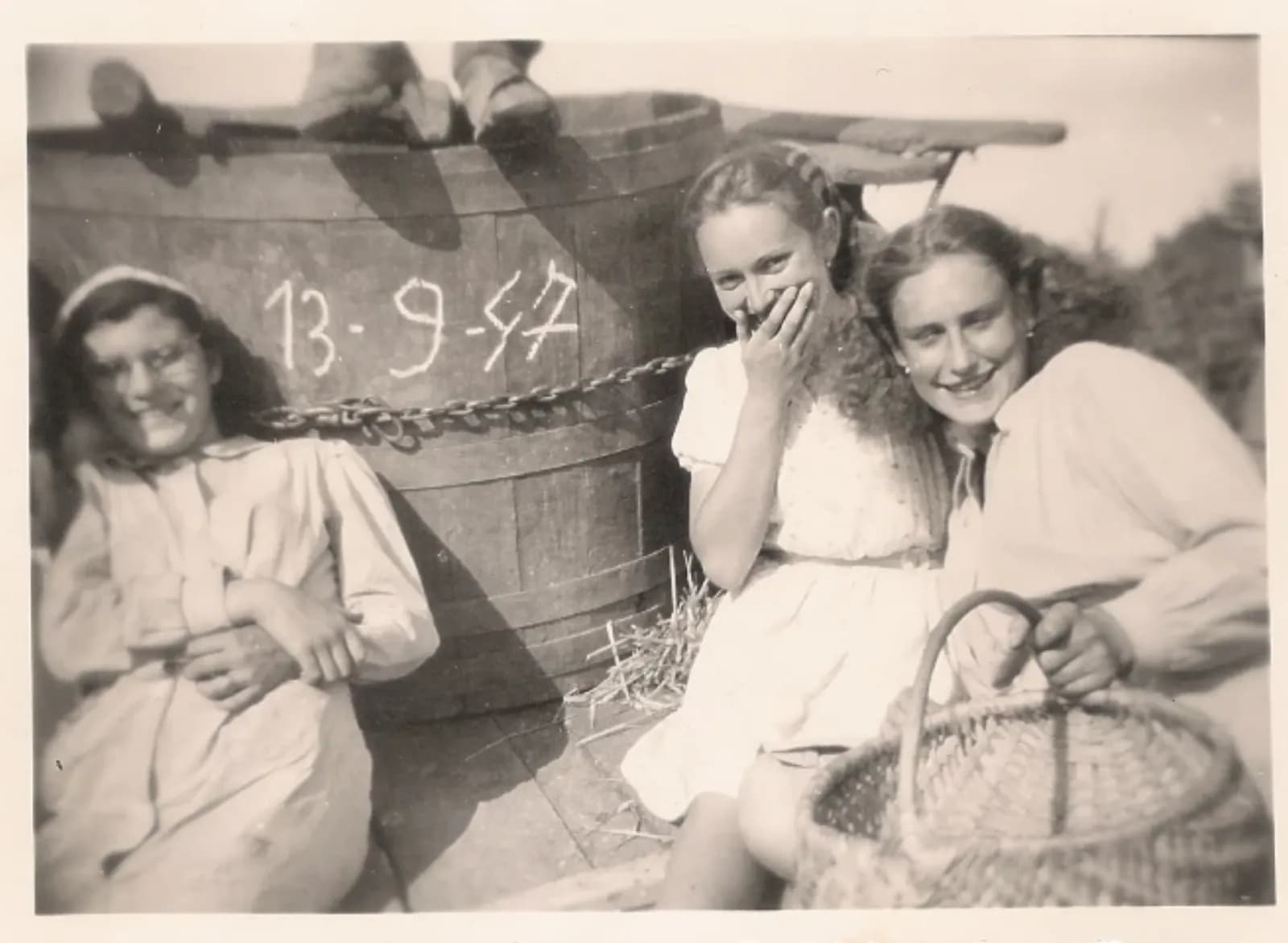
Sébastien grew up in Colombé-le-Sec, in Champagne, the sixth generation of a winemaking family. When we settled above Keuka Lake and started making our own sparkling wine here, we didn't reach for a shortcut. We work it the long way, by hand, the way he was taught at home. Let me walk you through it, step by step, the way we'd explain it to a guest standing in our cellar.
What is méthode champenoise?
Méthode champenoise, also called the traditional method, is the way sparkling wine gets its bubbles from a second fermentation inside the very bottle you'll open. The wine ages on its lees in that bottle for years, is turned by hand, and is finished one bottle at a time. It's the slowest way to make sparkling wine.
The name simply means "the method of Champagne." It's the technique the region gave the world. We use the same steps here on Keuka Lake, so we call our wines méthode champenoise sparkling — the place is different, the method is the same. According to Wine Folly, the traditional method is defined by that second fermentation happening in the bottle rather than in a large tank, and by the long rest that follows. That rest is where patience does its work.
How does the second fermentation make the bubbles?
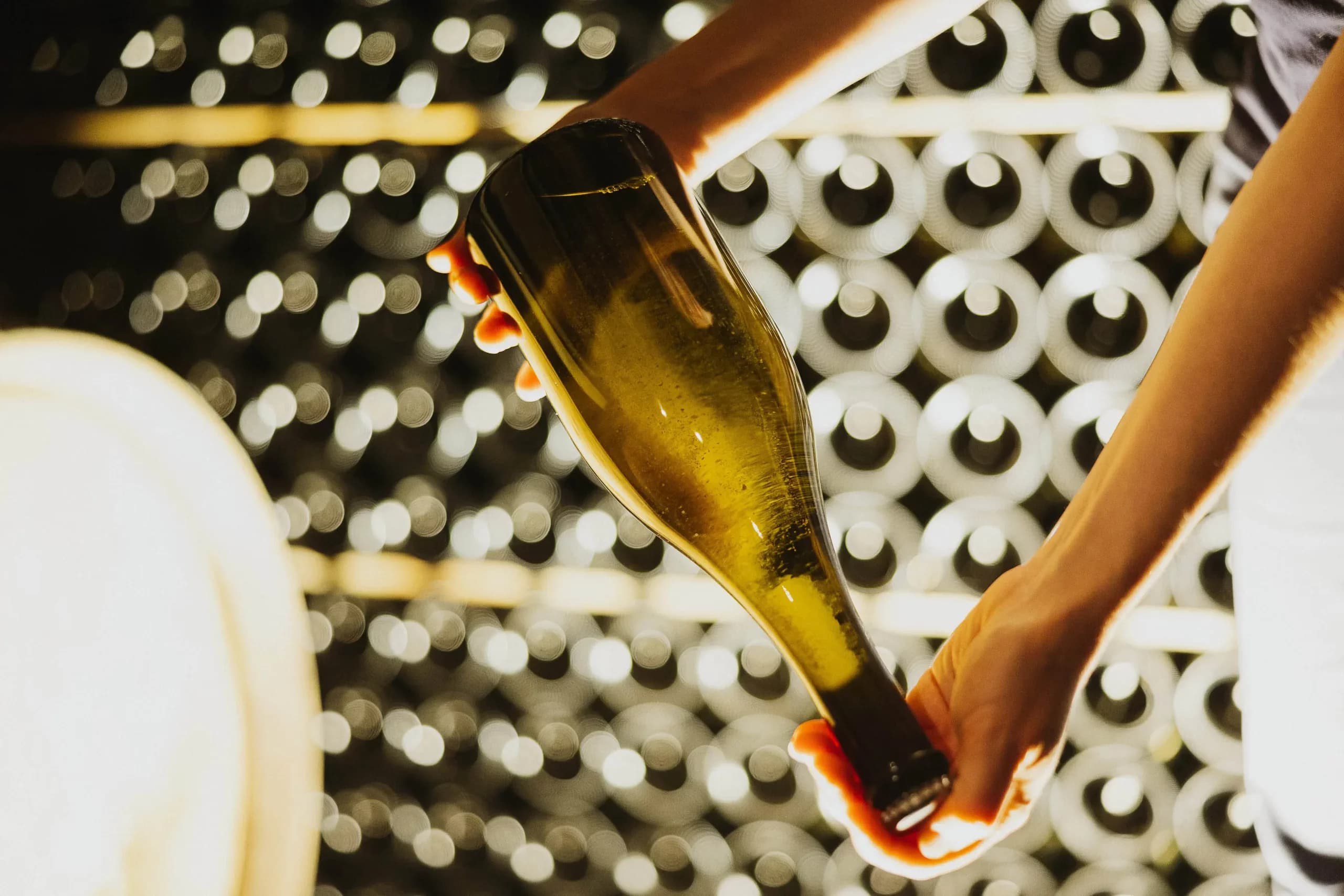
We start with a finished still wine. Before bottling, we add a small measure of yeast and sugar, then cap each bottle. Inside, the yeast eats the sugar and gives off carbon dioxide. With nowhere to escape, that gas dissolves into the wine under pressure. Those are your bubbles, made inside the sealed bottle.
Here's the simple picture. A first fermentation turns grape juice into a dry, still base wine — the same fermentation behind any wine. Then we do it a second time, but sealed inside the bottle. That little addition of yeast and sugar, added at bottling, is the spark. The yeast wakes up, works through the sugar, and the carbon dioxide it makes has no way out. So it goes into the wine. Open the bottle years later and the pressure releases — that's the sound, and the rise of bubbles in the glass.
People think the bubbles are the hard part. The bubbles are easy. The years of waiting are the hard part.
Why does the wine rest so long on the lees?
Once the second fermentation finishes, the spent yeast cells settle in the bottle. That sediment is called the lees. We leave the wine resting on those lees for years — over ten years, in our case — lying flat in the cool of the cellar. This long rest on the lees is what gives traditional-method sparkling its depth and its fine, lasting bubble.
After the yeast has done its job, it dies and settles. In French, the wine now rests sur lattes — stacked on wooden laths, bottle on bottle, lying on its side in the dark. "Lees" is just the winemaker's word for that settled yeast. We leave our sparkling on the lees for over ten years. Most producers count in months. We count in years, because that's the rhythm Sébastien grew up with, and it's the part you can't hurry.
The Court of Master Sommeliers describes this extended lees contact as the signature of the traditional method — the longer the rest, the finer and more persistent the bubble. It's a texture thing, born of time and the cellar, not of any additive. If you want the fuller story of how this differs from a tank-made sparkling, we lay it out in our piece on the difference between Champagne and sparkling wine.
What is riddling, and why do you turn the bottles by hand?
Riddling — remuage in French — is the slow work of moving the settled yeast down into the neck of the bottle so it can be removed. Each bottle is set nose-down at an angle, then turned and tipped a little at a time, again and again, until all the sediment collects against the cap. We do it by hand.
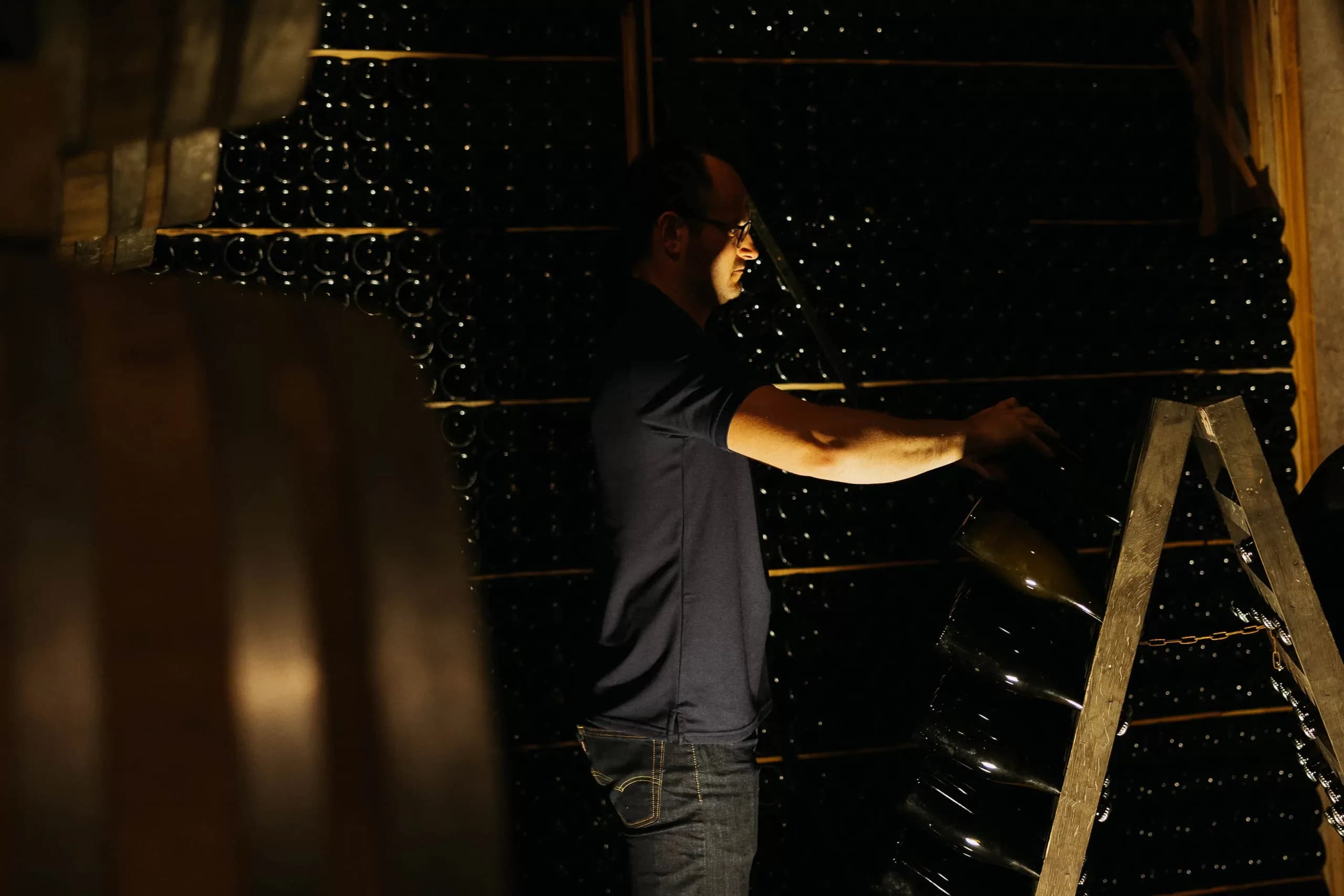
Picture a rack of angled holes, each holding a bottle upside down. Every day or two, a hand takes each bottle, gives it a small twist and a slight change of angle, and sets it back. Over weeks, the sediment that was spread along the side of the bottle slides down toward the neck. By the end, all of it sits against the temporary cap, ready to be taken out. It's patient, repetitive work — a wrist and an eye, no machine.
The méthode champenoise, step by step
- Ferment a dry, still base wine (the first fermentation).
- Add a little yeast and sugar, then cap each bottle.
- The second fermentation happens inside the sealed bottle — the bubbles form here.
- Rest the wine on its lees, lying flat — over ten years for ours.
- Riddle: turn and tip each bottle by hand to gather the sediment in the neck.
- Disgorge: freeze the neck, remove the plug of sediment, top up, and cork.
What happens at disgorgement?
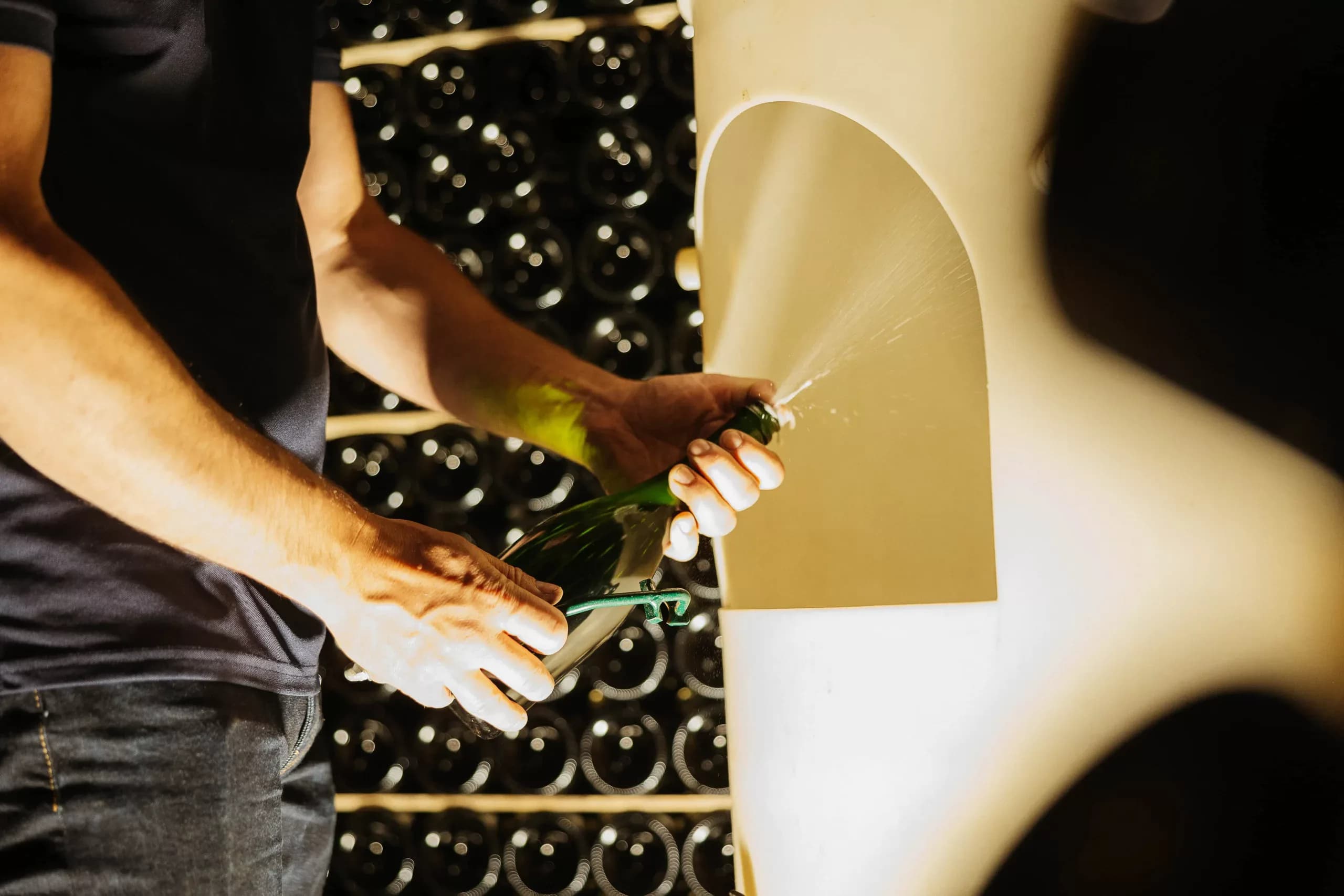
Disgorgement — dégorgement — is the moment we remove the yeast sediment from the bottle. We freeze the neck so the sediment forms a small plug of ice, uncap the bottle, and the pressure inside shoots that plug out. We top the bottle back up, cork it, and the sparkling wine is finally ready. This is the last step, after years of waiting.
This is the step on our cover photo. After riddling has gathered all the sediment in the neck, we dip that neck into a very cold bath until a small plug of ice forms around the yeast. We flip the bottle upright, pop the cap, and the pressure that has been building for a decade pushes the frozen plug clean out. It happens in a second. Then we top the bottle up to replace the little that left, drive in the final cork, and cage it. Only now is the wine finished — clear, sealed, and years in the making.
Add it all up and each bottle of our sparkling has been handled by hand at least 68 times, from bottling to riddling to disgorgement, over more than ten years on the lees. That's the real cost of the method — not money, time. It's also why our sparkling is kept for our Wine Club members, who get first pour of something we can only make a little of.
How does a Champagne family make this in the Finger Lakes?
We're Céline and Sébastien LeSeurre. Sébastien carries six generations of Champagne winemaking in his hands; Céline grew up near the Pyrénées. We met during harvest in New Zealand and made our first Finger Lakes vintage in 2012. The lake here does something Champagne can't — its cool climate lets the fruit hang late and slow — but the method we use to make the sparkling is the one his family has kept for six generations. French roots, Finger Lakes soul. You can read the whole story of how we got here on our story page.
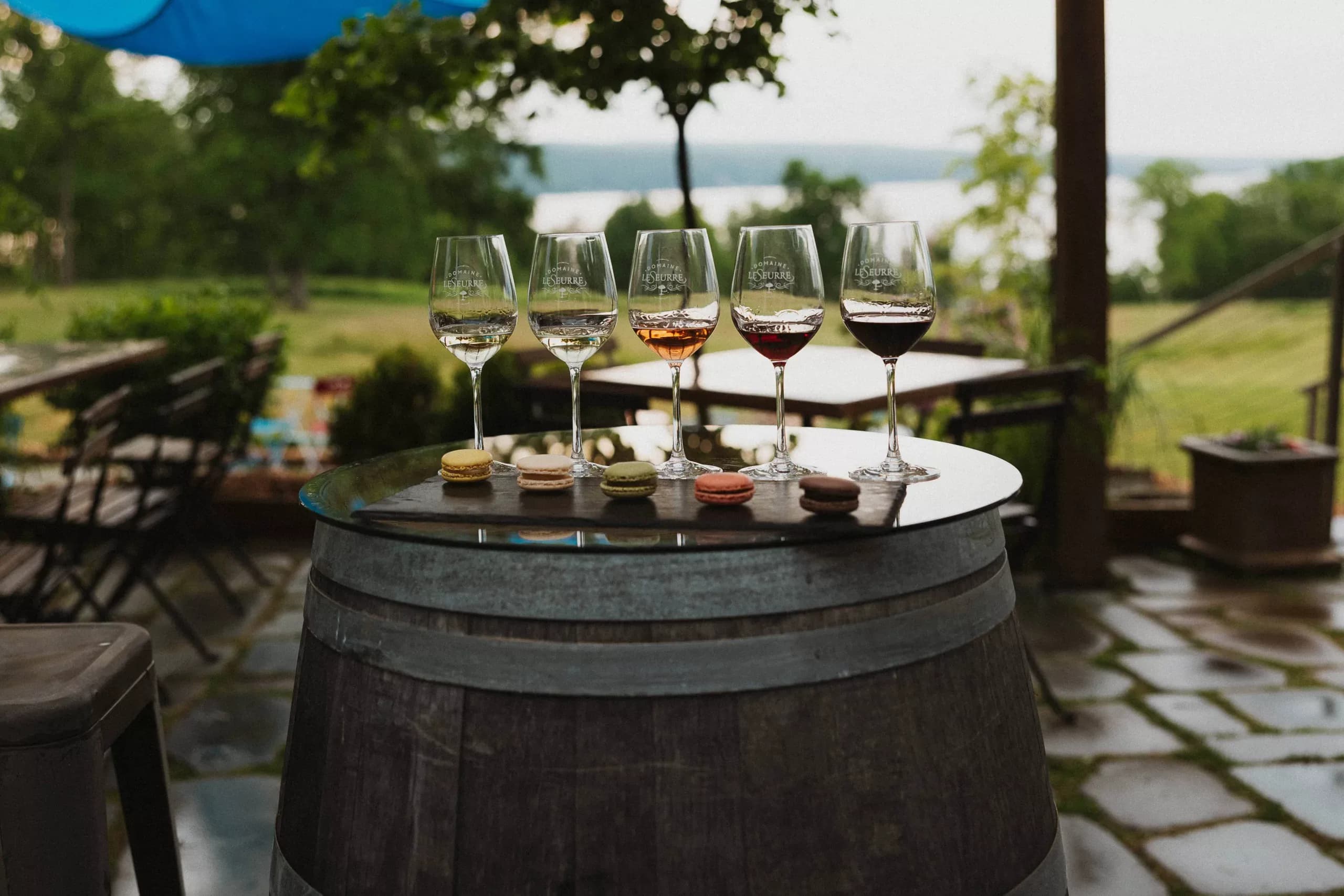
If you'd like to see the cellar and the racks for yourself, the best way is to sit down with us for a tasting on the terrace above the lake. We'll walk you through the wines and the way they're made — and yes, the full range of what we grow and make is there to taste. No rush, no pressure.
Come see how it's made, above the lake.
Common questions about méthode champenoise
Is méthode champenoise the same as the traditional method?
Yes. Méthode champenoise and "traditional method" describe the same process — a second fermentation inside the bottle, a long rest on the lees, riddling, and disgorgement. "Traditional method" is the term used for this technique when it's made outside the Champagne region, as we make ours on Keuka Lake.
How long does méthode champenoise sparkling take to make?
It depends on the producer. Many rest the wine on its lees for a year or two. We keep ours on the lees for over ten years, and each bottle is handled by hand at least 68 times before it's finished. The method rewards patience above all else.
Why can't you call your sparkling wine Champagne?
Champagne is a protected place name — only sparkling wine made in the Champagne region of France may use it. We make ours on Keuka Lake using the same method, so we call it méthode champenoise sparkling wine. Same craft, a different home.
Where can I taste your méthode champenoise sparkling?
Our sparkling is reserved for Wine Club members, who receive first access to each small release. Joining the club is the surest way to taste it. You can also visit us on the east side of Keuka Lake in Hammondsport, open seven days a week, to see where and how it's made.
Written by
The Domaine LeSeurre Team
Céline & Sébastien LeSeurre and the team at Domaine LeSeurre — a family winery on Keuka Lake, in Hammondsport, New York. French roots, Finger Lakes soul.