Wine 101 · Terroir
What Is Terroir? A Champagne Family's Answer, From Keuka Lake
Before we made our first wine in the Finger Lakes, Sébastien tasted grapes from more than two hundred vineyard parcels. They came from the same region and often from the same grape, yet the fruit changed from one parcel to the next. That difference has a French name, terroir, and our family has lived with the word for six generations.
The word gets used often and explained rarely. On the terrace we explain it with the lake in front of us, and we do the same here.
What is terroir?
Terroir is everything about a place that shapes the wine grown there: the soil, the climate, the slope and the way it faces the sun, nearby water, and the people who farm it. The word comes from the French terre, land. It explains why the same grape, grown in two places, makes two different wines.
Put as a question, terroir answers "why does this wine come from here, and nowhere else?" It covers everything a vine lives with and can neither choose nor move away from.
The International Organisation of Vine and Wine defines terroir as the interaction between the physical environment of a place and the growing and winemaking practices applied there. We come back to that second half further down, because it matters a great deal to us.
How does soil shape a wine?
Soil shapes a wine mostly through water. How fast it drains, how deep roots can go, and how much it holds after rain decide how much stress a vine feels. Vines in well-drained, poorer soils push roots deep and grow fewer, smaller grapes. That changes the concentration and structure of what ends up in the glass.
People often picture a vine "drinking" the flavor of the rocks. What happens is more practical. Soil controls water and warmth at the roots, and a vine that has to work a little for its water tends to put its energy into the fruit rather than its leaves.
In the Finger Lakes, the soil story starts with ice. The glaciers that carved the long, deep lakes also left behind the ground the vines grow in, and Cornell's grape and wine program, based in the region, studies how these cool-climate sites behave from the roots up.
Why do slope and sun matter so much?
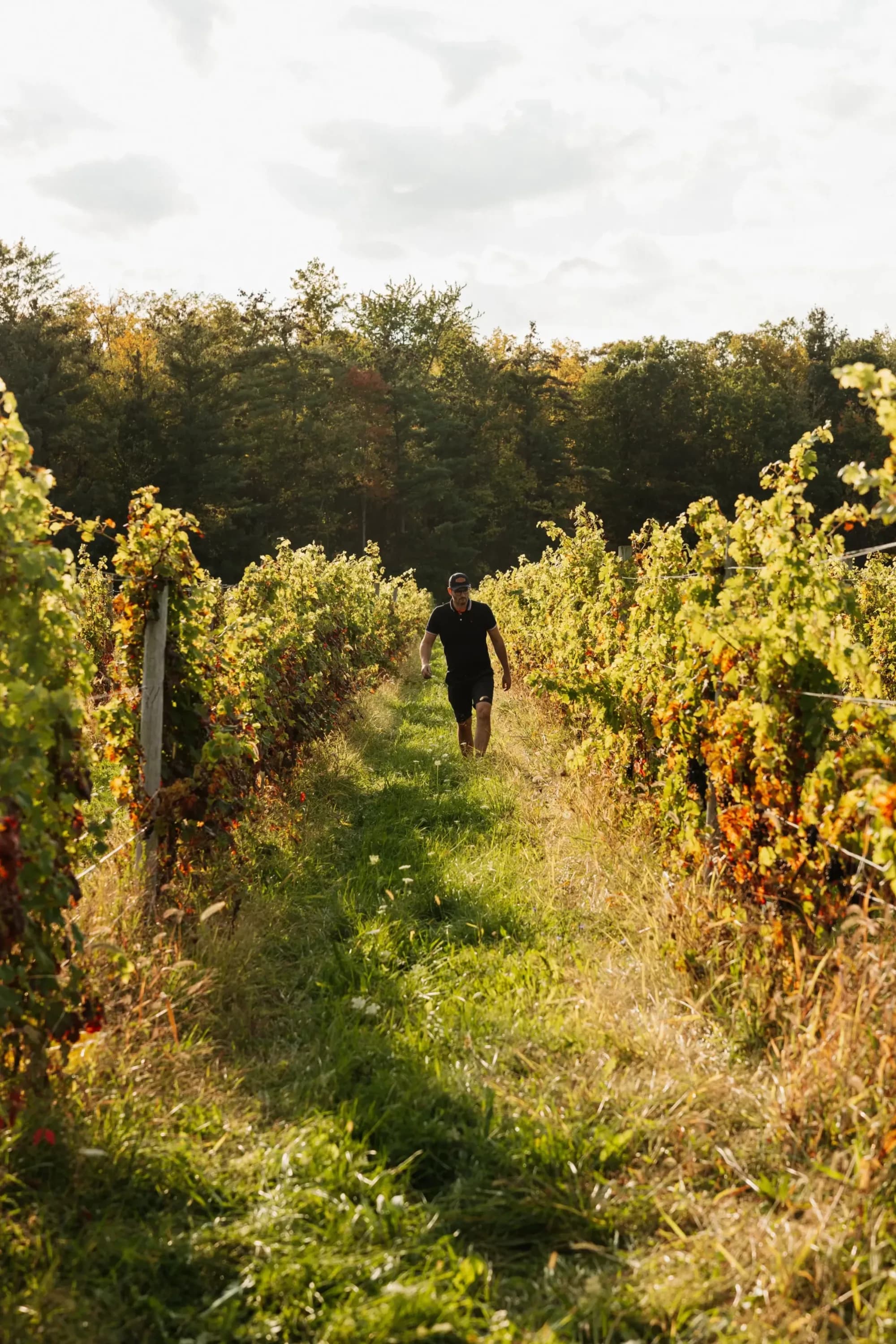
A slope does three jobs for a vineyard. It drains rainwater away from the roots, it tilts the vines toward the sun so they catch more light, and it lets cold air slide downhill on frosty nights instead of settling on the vines. In a cool region, a good slope can decide whether grapes ripen at all.
Cold air behaves like water, flowing downhill and pooling at the bottom. So in a cool climate you rarely see vineyards on the flat ground at the foot of a hill, and the hillsides above the Finger Lakes are covered in vines. Sébastien grew up in Champagne, another cool northern region, where the best-placed slopes have been known and named for generations.
How does Keuka Lake shape the wine grown around it?
Keuka Lake acts as a temperature regulator. Its deep water warms slowly in spring and cools slowly in fall, so the vines on its slopes stay cooler early in the season and warmer late into autumn. That shields them from frost and gives the grapes a long, slow ripening. Keuka is the only Y-shaped Finger Lake.
At the table we use a simple picture. In spring the lake is still cold from winter, so it keeps the vines sleepy and holds back the buds until the danger of frost has passed. In autumn it gives back the heat it stored all summer, like a radiator left on at the bottom of the hill, and the grapes get extra weeks on the vine.
The Y shape adds a twist of its own, since a lake that branches in two has more shoreline, and more slopes facing the water, than a straight one. The Finger Lakes Wine Alliance describes this cool, lake-moderated climate as what defines the region, and it is why Riesling became the signature grape here. The fuller story of the lake is in our guide to Keuka Lake wineries.
Where does the winemaker fit into terroir?
The winemaker is part of terroir. Choosing which grape to plant on which slope, how to prune, when to pick, and how to make the wine all decide how much of the place reaches the bottle. In France, terroir has always included the know-how of the people who farm a site, passed down over generations.
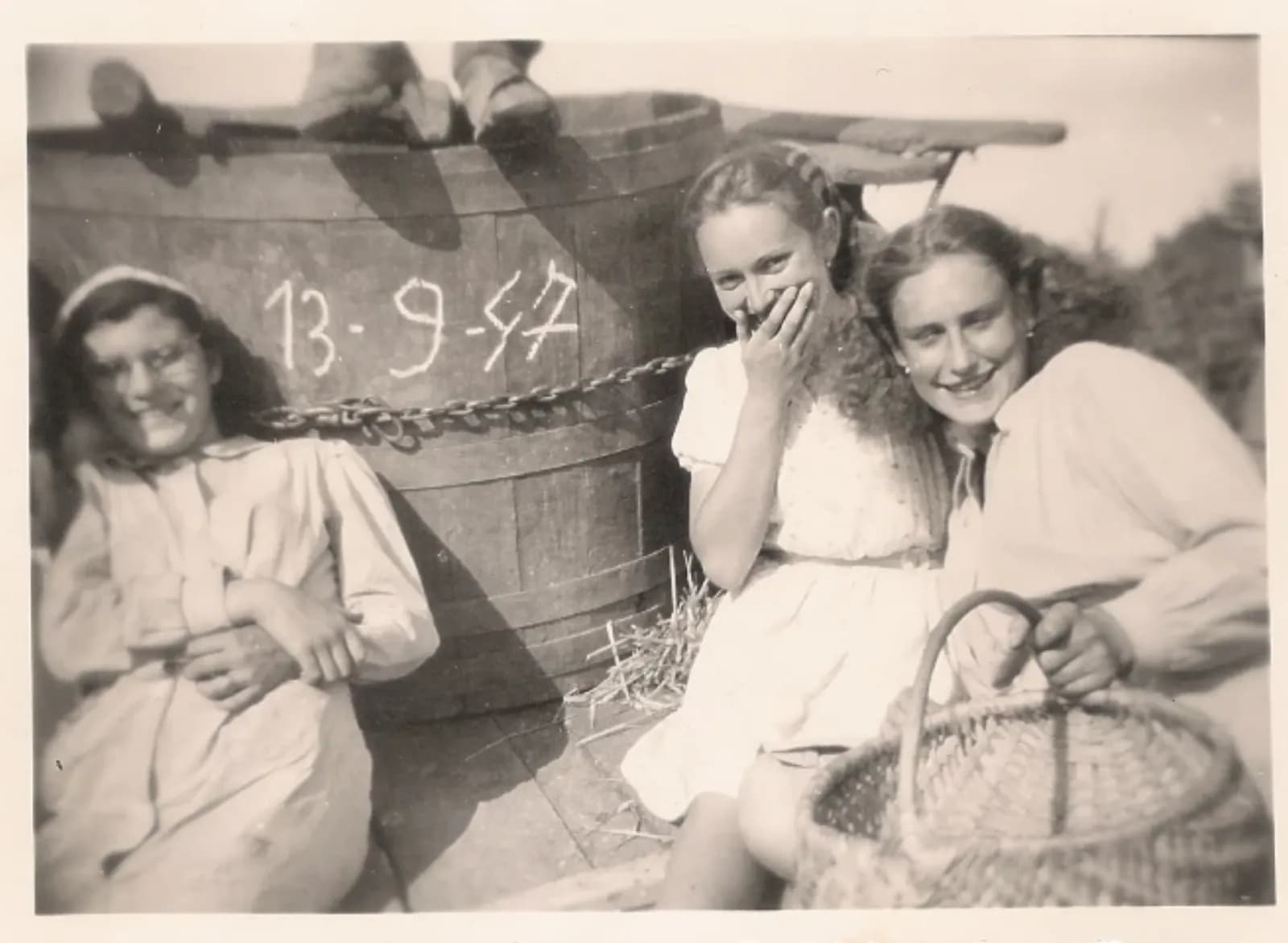
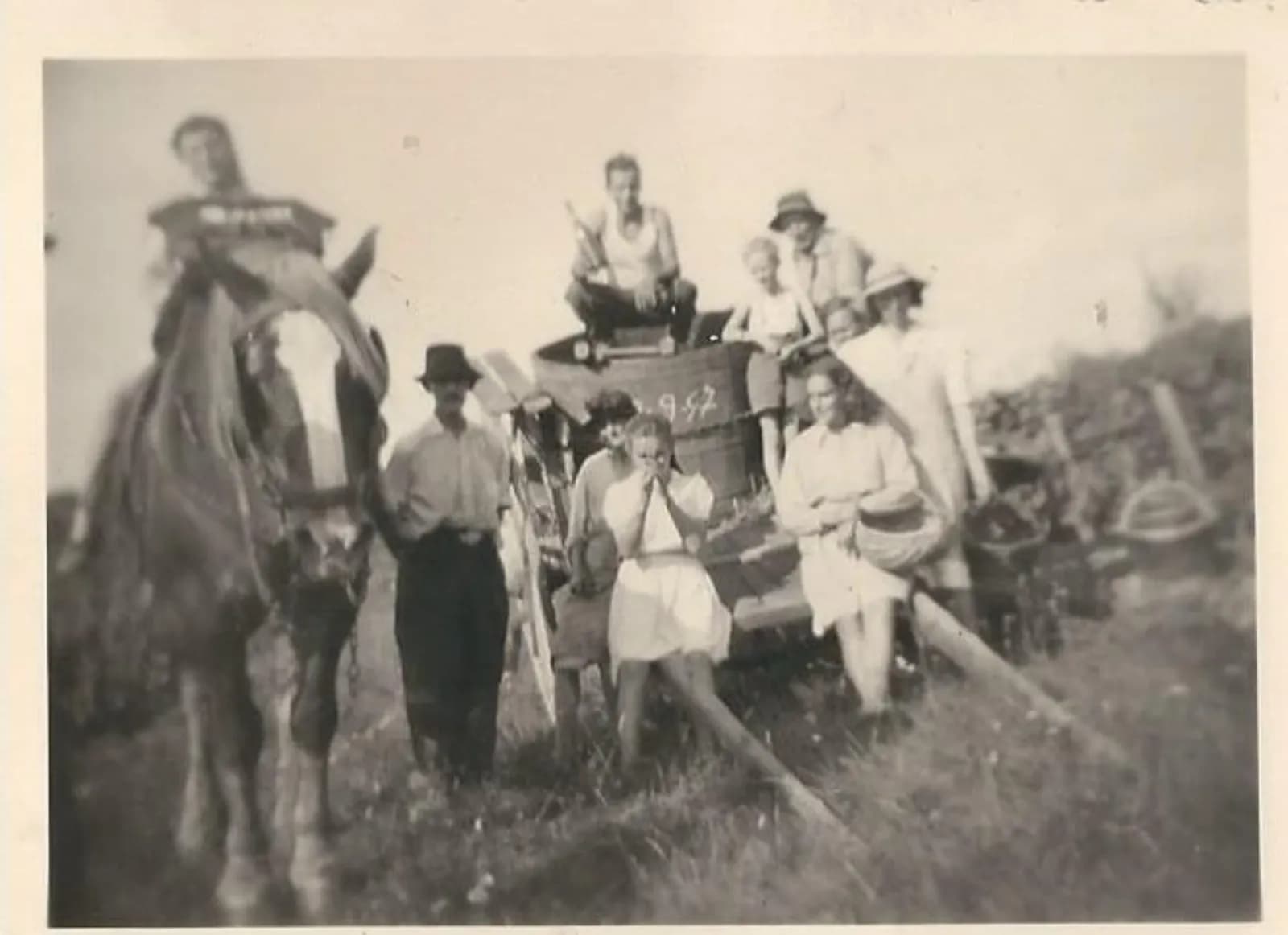
A Champagne family feels strongly about this part. Sébastien comes from Colombé-le-Sec, from six generations of winegrowers there, and where he grew up a vineyard and the family working it go together. The place supplies the raw material, and the people decide what to do with it.
Céline grew up near the Pyrenees, and she and Sébastien met during a harvest in Marlborough, New Zealand, at a French-owned winery. Between them, they had worked in very different places before choosing Keuka Lake. For us, French roots, Finger Lakes soul means a French way of reading a place, applied to this one. Our story page tells the rest.
Two of our labels carry the word itself: the Riesling Terroir d'Excellence and the Gewurztraminer Terroir d'Excellence, both on our wines page.
Terroir, kept simple
- Terroir explains why a wine comes from one place and nowhere else.
- Soil works mostly through water: how fast it drains and how deep the roots go.
- Keuka Lake keeps the vines cool in spring and mild into fall, like a radiator at the bottom of the hill.
- In the French sense, the people who farm a place belong to its terroir.
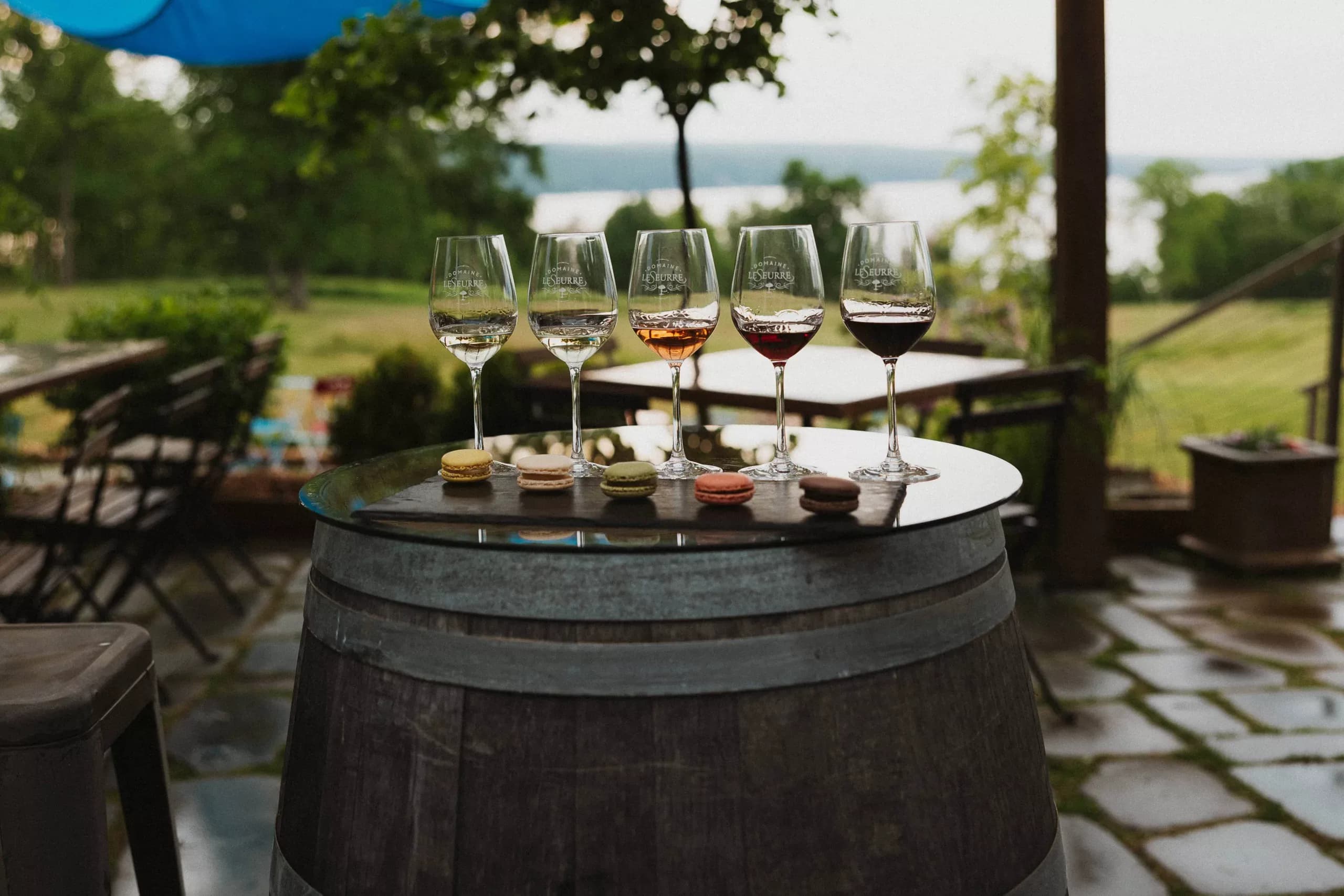
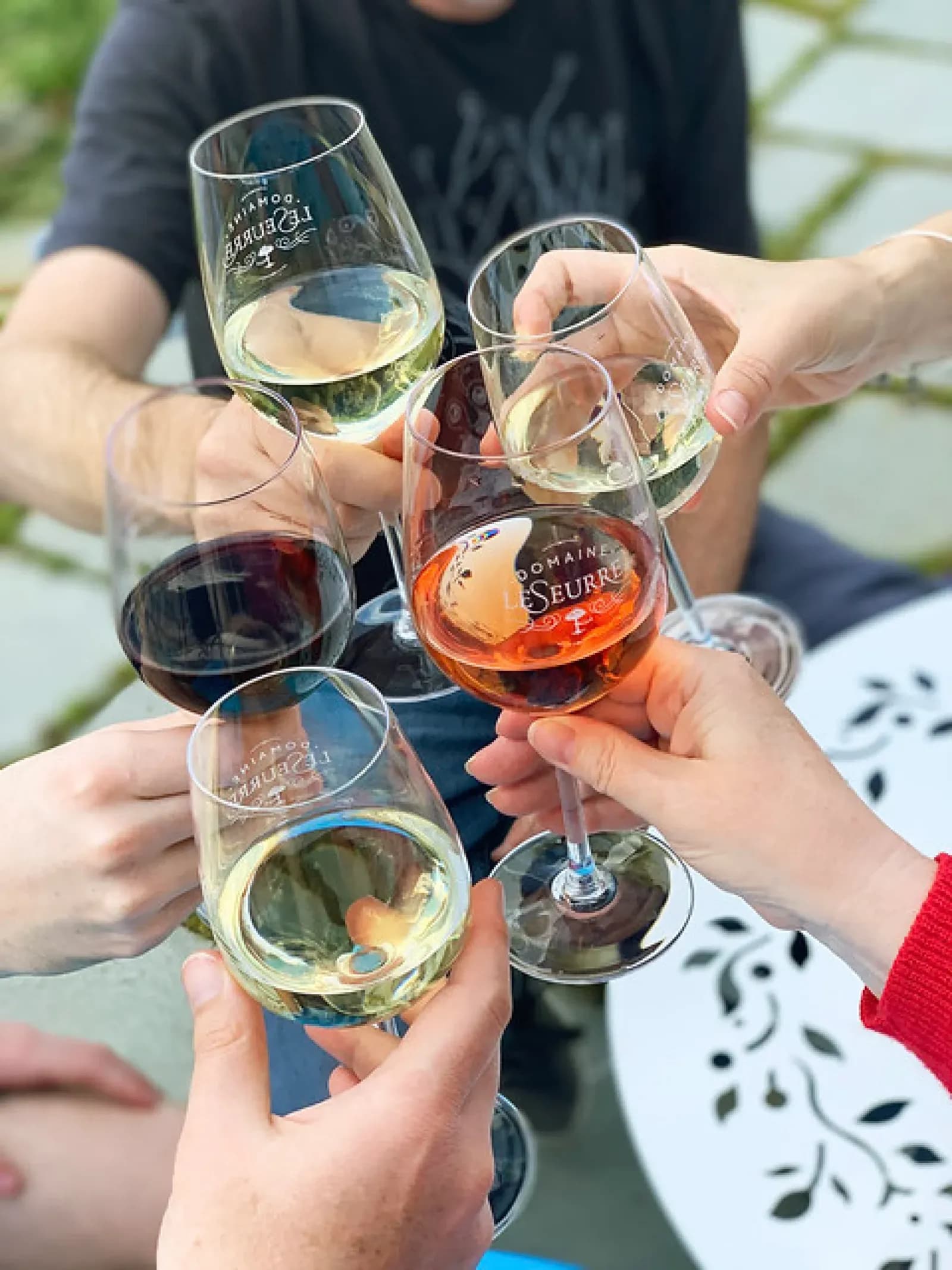
Terroir makes the most sense at a table that faces the slope where the grapes grew. Our Educational Wine Tasting pours five wines, and we tell you where each one comes from.
Taste the lake in five glasses, with the slope in view.
Common questions about terroir
How do you pronounce terroir?
Most Americans say "tair-WAHR." In French the r's are softer, but anyone at a winery will understand either.
Does terroir apply outside France?
Yes. The word is French, but every vineyard in the world has a terroir. The Finger Lakes, with their deep glacial lakes and cool climate, are a clear example.
Can you taste terroir in a wine?
You can compare it. Taste two wines from the same grape grown in different places, made the same way, and the differences you notice come largely from terroir.
Written by
The Domaine LeSeurre Team
Céline & Sébastien LeSeurre and the team at Domaine LeSeurre — a family winery on Keuka Lake, in Hammondsport, New York. French roots, Finger Lakes soul.