Wine 101 · Serving
How Long Wine Lasts After Opening
You opened a bottle on Friday, poured two glasses, and now it's Tuesday. Is it still worth drinking? Usually yes — with a few simple habits. Here's how long an open bottle keeps, by type, and what to do with the rest.
We pour a lot of wine on the terrace above Keuka Lake, and this is one of the questions we hear most from guests who take a bottle home. The honest answer is that it depends on the wine and on how you store it. Once you know why an open bottle changes, the rules are easy to remember.
Why does wine change once it's open?
Once a bottle is open, wine meets oxygen. That contact, called oxidation, slowly changes the wine over hours and days. A little air can open a young wine up; too much air over too long dulls it. Keeping the bottle sealed and cold slows the process down.
Think of a sliced apple left on the counter. Air is doing the same quiet work on your wine, only slower. A short splash of air can help a young red loosen up in the glass. But once the whole bottle has been standing open for days, that same air has done its full course, and the wine is past its best. Cold and a tight seal are what buy you time.
The team at Coravin puts it simply in their Wine 101 notes: oxygen is what changes an open bottle, so the goal is to limit how much of it reaches the wine and how long the two are in contact.
How long does an open bottle last by type?
As a rule of thumb, sparkling keeps 1 to 3 days, light whites and rosés 5 to 7 days, fuller whites 3 to 5 days, and most reds 3 to 5 days. Fortified wines last far longer, often weeks. Cork it, chill it, and drink the more delicate styles first.
- Sparkling (méthode champenoise and others): 1–3 days, sealed with a proper stopper in the fridge. The bubbles fade first.
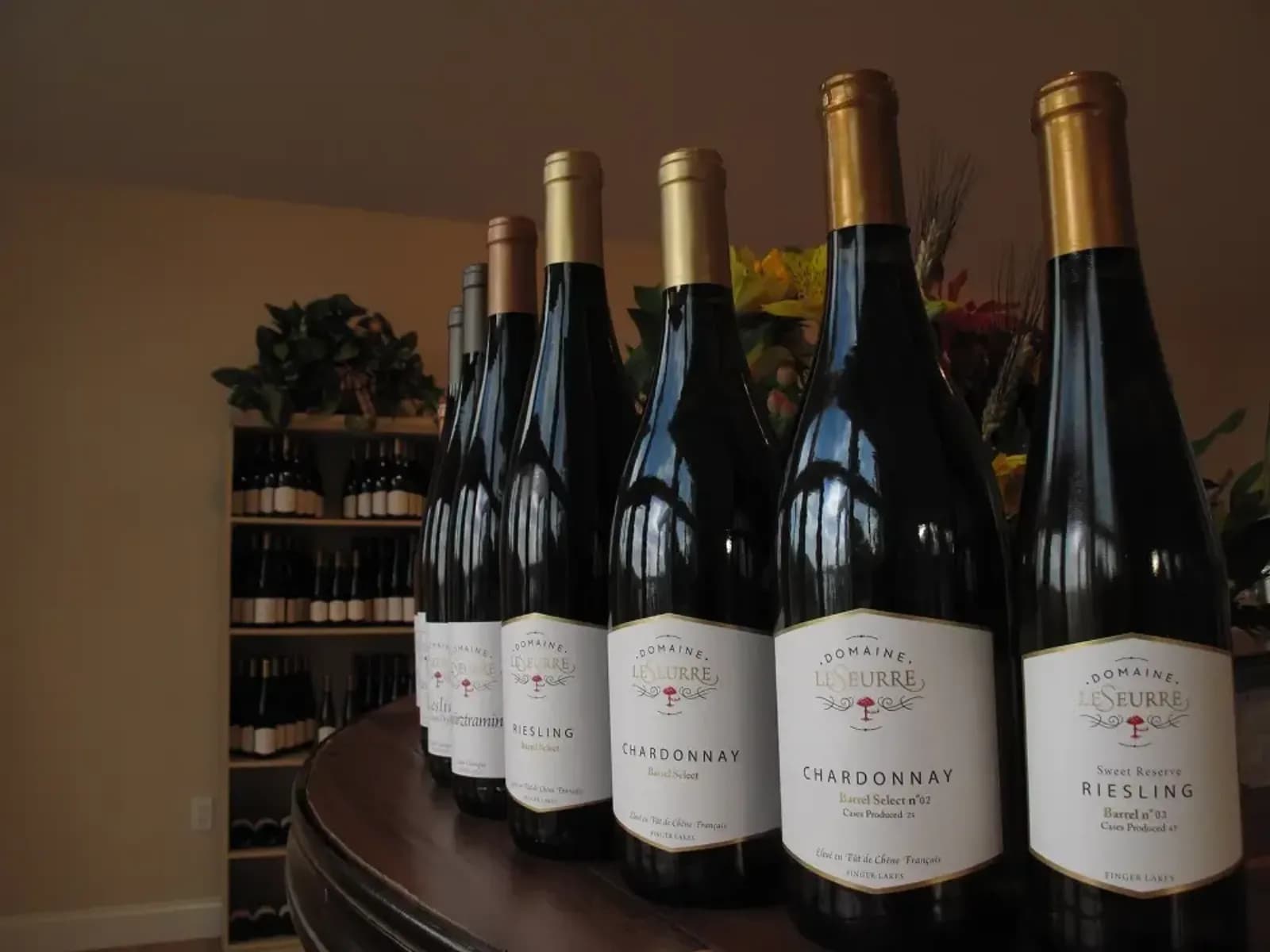
- Light whites and rosés (like a dry Riesling): 5–7 days, recorked and cold.
- Fuller whites (like an oak-aged Chardonnay): 3–5 days in the fridge.
- Light reds (like Pinot Noir): 3–5 days, recorked and kept cool.
- Fuller reds (like Cabernet Franc): 3–5 days, and often fine on day two.
- Fortified wines (port, sherry): weeks, sometimes a month, because of their higher strength.
These are guides, not deadlines. A bottle isn't fine on day five and ruined on day six. It fades gradually, so trust your own judgment. If it still tastes good to you, it is good. When you're deciding what to open in the first place, our note on whether Riesling is sweet or dry can help you match the bottle to the moment.
What's the best way to store an open bottle?
Reclose the bottle right after pouring, then put it in the fridge — reds included. Cold slows oxidation for every style. Stand the bottle upright so less surface meets the air, and pour what you plan to drink rather than leaving the bottle open on the counter.
The single most useful habit is the simplest: put the cork back in and put the bottle in the fridge. This surprises people with reds, but cold slows the air's work no matter the color. Pull a red out twenty minutes before your next glass and it comes back to room temperature on its own.
Four habits that stretch an open bottle
- Reclose the bottle the moment you finish pouring.
- Keep it in the fridge — whites, rosés, and reds alike.
- Stand it upright so less wine touches the air.
- Drink the sparkling and the more delicate styles first.
Do wine preservation tools actually help?
Yes, and the simplest ones help most. A vacuum pump draws air out of a partly full bottle. Inert gas sprays lay a protective layer over the wine. Both slow oxidation and add a day or two. For sparkling, a proper hinged stopper holds the pressure and keeps the bubbles longer.
You don't need a shelf of gadgets, but a couple of inexpensive tools earn their place. A vacuum pump with a rubber stopper pulls the air out and reseals in one motion. An inert gas spray, sold for a few dollars, floats a shield of neutral gas over the wine before you recork. For sparkling, skip the teaspoon-in-the-neck folklore and use a real Champagne stopper that clamps down and holds the pressure.
We reseal every open bottle behind the bar the same way we'd want a guest to at home. Cold and closed — that's most of the secret.
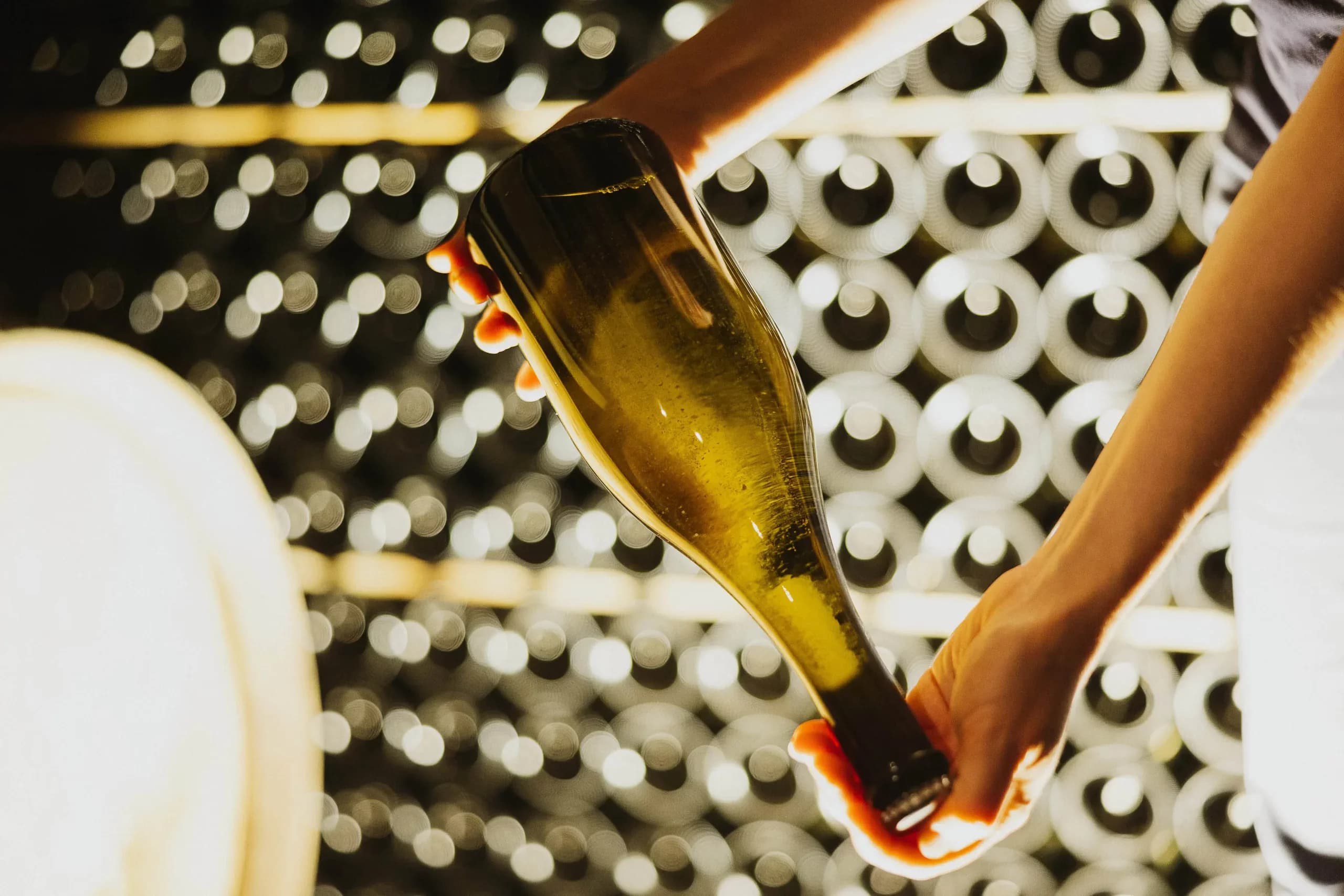
How do we make our wines to begin with?
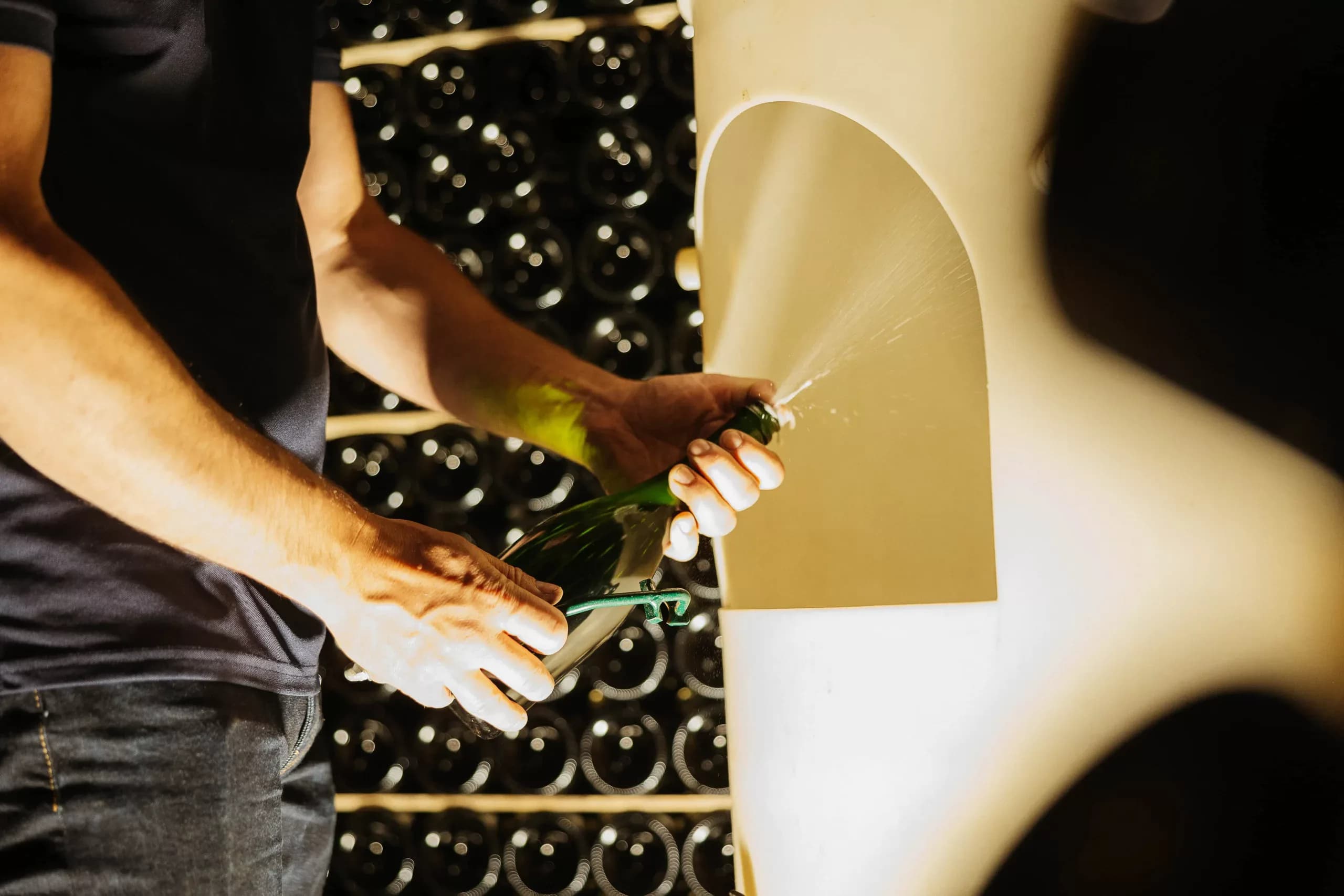
We're Céline and Sébastien LeSeurre, French winemakers who settled on the eastern hills above Keuka Lake. Sébastien is the sixth generation of a winemaking family from Champagne, and we make our sparkling by the méthode champenoise — bottle by bottle, handled at least 68 times, and rested over ten years on the lees. French roots, Finger Lakes soul.
That care is why a well-kept open bottle rewards you for keeping the air out. If you'd like to find the styles that suit your table, you can browse our wines, and members of our Wine Club receive shipments through the year along with tastings for themselves and their guests.
Come taste with us above the lake, then take a bottle home.
Common questions about open wine
Can you drink wine that's been open for a week?
Often, yes. A light white or rosé kept corked and cold can be fine at a week, and a red at three to five days. It won't taste as fresh as day one, but a well-stored bottle is safe to drink. Trust your own judgment.
Should you keep open red wine in the fridge?
Yes. Cold slows oxidation for reds just as it does for whites, so the fridge is the best place for an open bottle of any color. Take the red out about twenty minutes before your next glass to let it come back to room temperature.
How long does sparkling wine last after opening?
About one to three days with a proper hinged stopper in the fridge. The bubbles fade first, so sparkling is the one to finish soonest. A real Champagne stopper holds the pressure far better than leaving the bottle loosely covered.
Does an open bottle go bad, or just flat?
Mostly it just fades. Over days, oxygen dulls an open bottle rather than making it unsafe. Kept sealed and cold, wine stays fine to drink well past its freshest point. If a bottle ever smells sharp or vinegary, it's simply time to pour it out.
Written by
The Domaine LeSeurre Team
Céline & Sébastien LeSeurre and the team at Domaine LeSeurre — a family winery on Keuka Lake, in Hammondsport, New York. French roots, Finger Lakes soul.