Wine 101 · Sweet Wine
What Is Ice Wine? Grapes Picked Frozen on the Vine
Picture a vineyard in the middle of winter. The leaves are long gone, snow lies between the rows, and a few bunches of grapes still hang on the vines, frozen hard as marbles. A crew walks out in the dark to pick them before sunrise. That is ice wine, and the Finger Lakes are one of the places cold enough to make it.
We don't make ice wine ourselves, and we'd rather say so up front. Guests still ask about it often, since they see it on shelves around the lakes, so this is how we explain it across the tasting bar. At the end there's a word about the other road to a sweet wine, the one we do take.
What is ice wine?
Ice wine is a sweet wine made from grapes that freeze naturally on the vine and are pressed while still frozen. The water in each grape stays behind as ice, and only a small amount of concentrated, sugar-rich juice runs out of the press. That juice is fermented into a wine with high sugar and high acidity.
Naturally is the word that matters. The grapes hang well past the normal harvest, into late fall and winter, until a hard freeze turns them solid. Grapes picked at the usual time and put in a freezer make something else, and in the regions with ice wine rules that wine can't carry the name.
The style comes from Germany and Austria, where it is called Eiswein, and it became closely associated with Canada. It needs a place with a real winter, warm enough in summer to ripen grapes and cold enough afterward to freeze them on the vine.
How does freezing make the wine sweet?
A grape is mostly water, with sugar and acid dissolved in it. When the grape freezes, the water turns to ice first, while the sugar and acid stay liquid. Pressing a frozen grape leaves the ice behind in the press and squeezes out only that concentrated liquid. The press gives less juice, with much more sugar in every drop.
A carton of juice in the freezer shows the same thing. Wait until it's half frozen, and the first liquid you pour off is the strongest, because the water froze and stayed behind. Ice wine works the same way, only inside each grape, on the vine, in the snow.
All that concentration has a cost. A frozen grape gives only a few drops, birds and weather take their share of the fruit over the long wait, and the press has to work hard against the ice. It's one reason ice wine is sold in small bottles.
How is ice wine harvested?
Ice wine grapes are picked by hand on the first nights cold enough to freeze them solid, usually between late fall and the middle of winter. Crews pick in the dark or at dawn, before the sun can begin to thaw the fruit, and the grapes go straight to a press in an unheated space so they stay frozen.
- Leave healthy grapes on the vine after the normal harvest, often under netting against birds.
- Wait for a hard, sustained freeze. Some years it comes early, some years late.
- Pick by hand at night or first light, while the grapes are frozen solid.
- Press immediately, in the cold, so the ice stays in the press.
- Ferment the small amount of concentrated juice, slowly, because the sugar level is so high.
Nobody knows the picking date in advance, and when it comes, the work is cold and needs every available hand. For a winemaker, that uncertainty is both the appeal and the headache.
Why do the Finger Lakes and New York make ice wine?
The Finger Lakes have the two things ice wine needs: a growing season long enough to ripen grapes, thanks to the deep lakes, and winters cold enough to freeze them on the vine. The Finger Lakes Wine Alliance notes that ice wine is made here, with grapes such as Vidal Blanc, Riesling, and Vignoles.
The lakes are the reason grapes ripen here at all. In fall, the deep water gives back the summer's warmth and keeps frost off the slopes, so the fruit can hang late, and then winter arrives in earnest. According to the Finger Lakes Wine Alliance, Vidal Blanc is widely known for ice wine in Canada and is also found in the Finger Lakes, where some of the region's longstanding producers have championed it for ice wine. The Alliance's page on Riesling mentions ice wine and late harvest styles too, with cool-climate acidity balancing their sugar.
Acidity is what holds a good sweet wine together. Sugar alone would make it heavy and flat. Cold-climate grapes keep a high natural acidity, and the tension between the two gives ice wine its shape. Our piece on dry vs sweet wine goes further into that balance between sugar and acid.
What makes a wine ice wine
- Grapes freeze naturally on the vine, well after the normal harvest.
- They're picked frozen, usually at night, and pressed before they thaw.
- The ice stays in the press, and only concentrated, sugar-rich juice comes out.
- Cold-climate acidity keeps that sugar in balance.
- The Finger Lakes are cold enough in winter, and warm enough in fall, to make it.
What is the difference between ice wine and late harvest wine?
Both come from grapes left on the vine after the normal harvest. Late harvest grapes are picked later in the fall, riper and higher in sugar, but before a hard freeze. Ice wine grapes wait longer, until they freeze solid on the vine. Late harvest is the more common path to a sweet wine.
This is where we come in. Our Vendanges Tardives is a late harvest wine, and the French name means exactly that, "late harvests". We leave the fruit hanging past the main picking on our slope above Keuka Lake, where the lake keeps the vines cool and lets the season stretch. We pick it in the fall, before the grapes freeze, and age the wine in barrel. That is our road to a sweet wine.
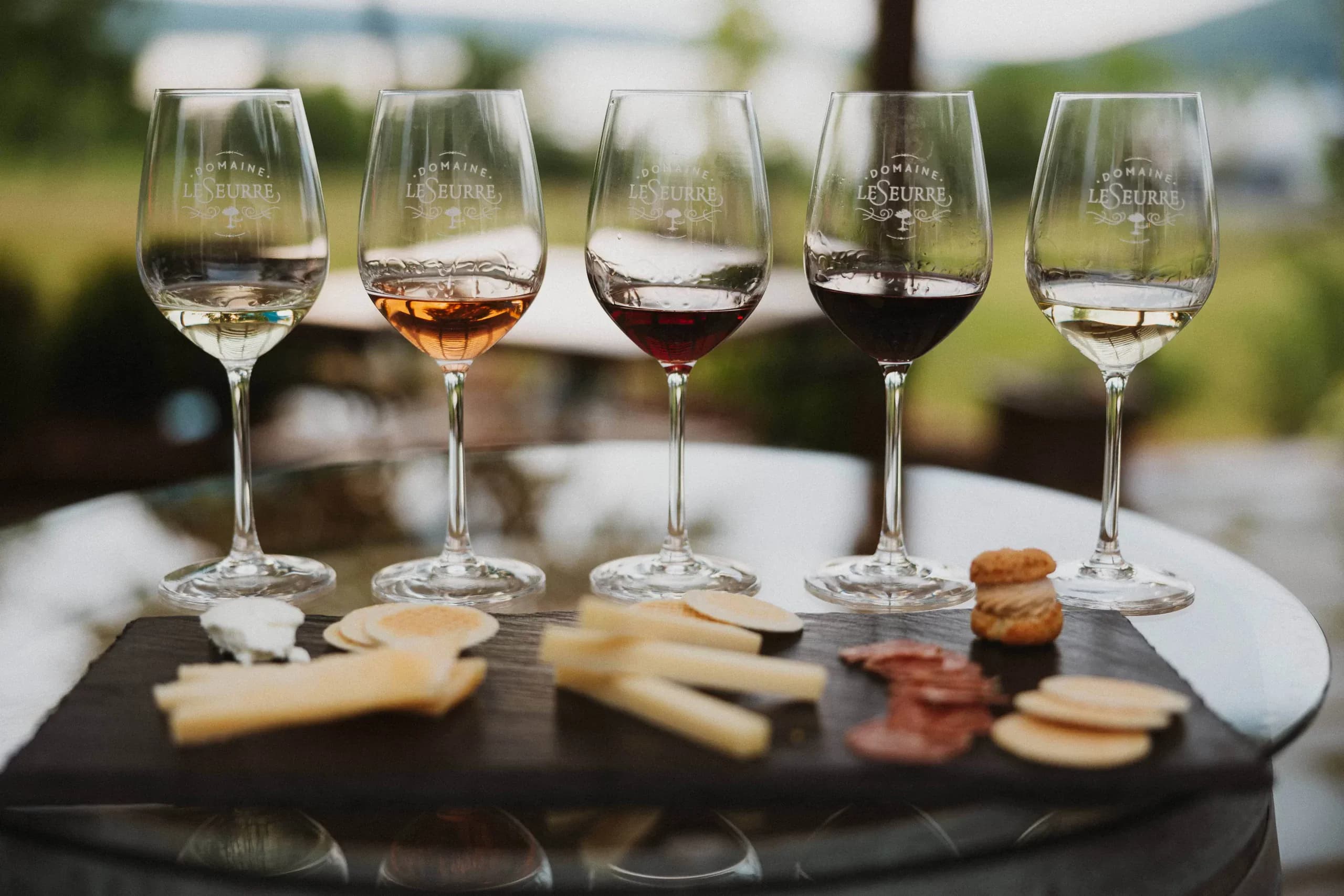
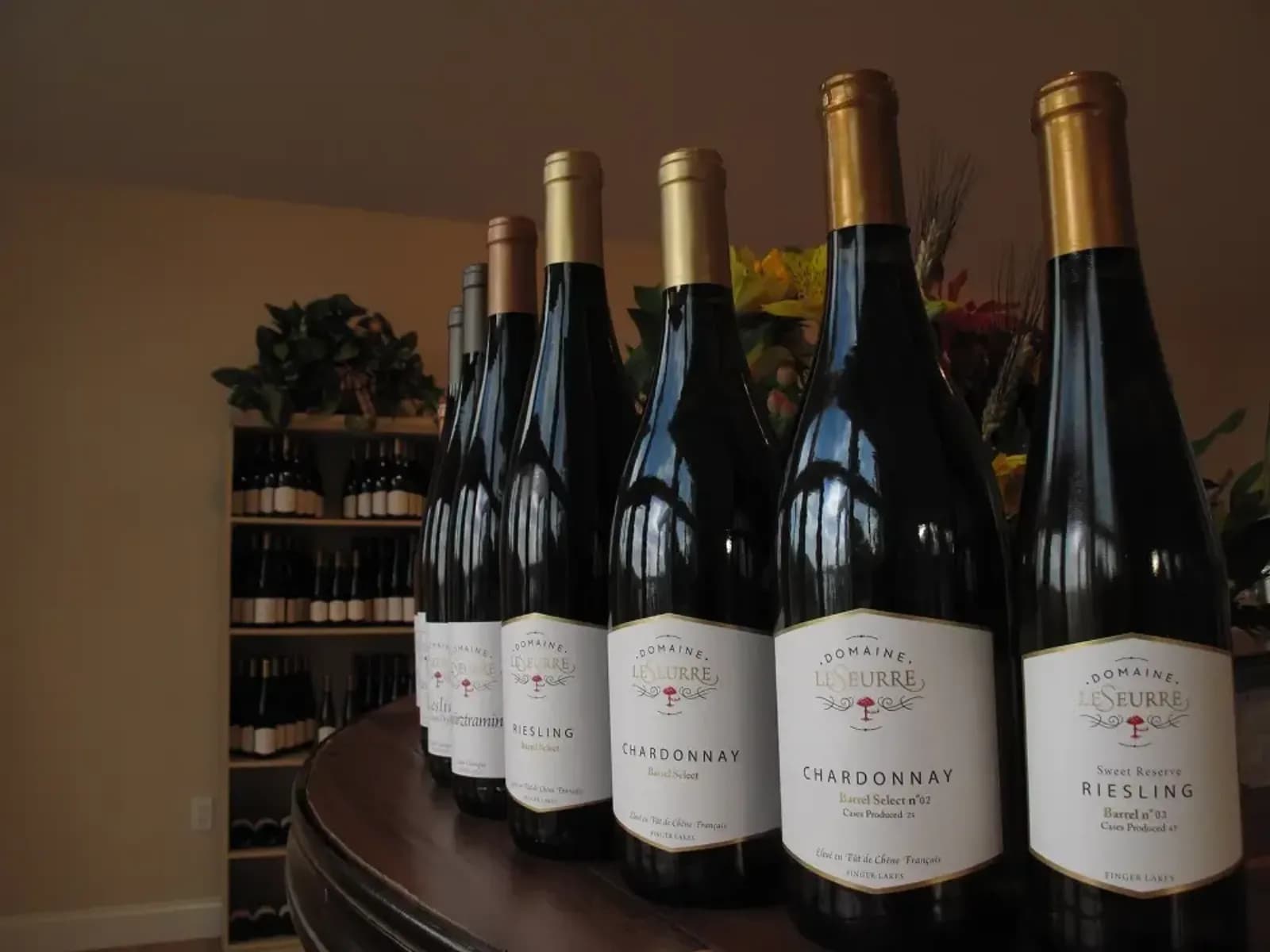
To see where the Vendanges Tardives sits among our other wines, including the dry and off-dry Rieslings made alongside it, look at our wines page, and is Riesling sweet or dry? explains how a winemaker makes that call. You can also ask us directly during an Educational Wine Tasting, listed with our other experiences.
Come taste across our range, from dry to late harvest, above Keuka Lake.
Common questions about ice wine
Does Domaine LeSeurre make ice wine?
No. Our sweet wine is the Vendanges Tardives, a late harvest wine picked after the main harvest and aged in barrel. We pick it in the fall rather than waiting for the grapes to freeze.
Why is ice wine so expensive?
Frozen grapes give very little juice, the fruit hangs on the vine for months at the mercy of birds and weather, and picking has to happen by hand on a few freezing nights. Much less wine comes from the same vineyard.
Why is ice wine sold in small bottles?
Because so little of it is made, and because it's a sweet wine usually poured in small glasses. A half bottle or smaller is common.
What grapes are used for ice wine in the Finger Lakes?
The Finger Lakes Wine Alliance mentions Vidal Blanc, Riesling, and Vignoles among the grapes used for ice wine and late harvest wines in the region.
Written by
The Domaine LeSeurre Team
Céline & Sébastien LeSeurre and the team at Domaine LeSeurre — a family winery on Keuka Lake, in Hammondsport, New York. French roots, Finger Lakes soul.